Earth Day - Thursday April 22nd
Zero-Waste Tips For The Backyard
Celebrate EarthDay 2021
Living in a sustainable home doesn’t stop at the front door — or the back door, for that matter. The backyard — is filled with opportunities to be more eco-friendly, from your lawn and garden to the building materials used in your deck.
With that in mind: Here are a few of the best zero-waste ideas for outfitting the eco-friendly yard of your dreams.
1. Build with sustainably sourced wood, post-consumer recycled plastics or a composite of both.
Using recycled materials is a great way to make your garden zero-waste. Trex uses a mix of reclaimed sawdust and recycled plastic film from plastic bags and wrappers. 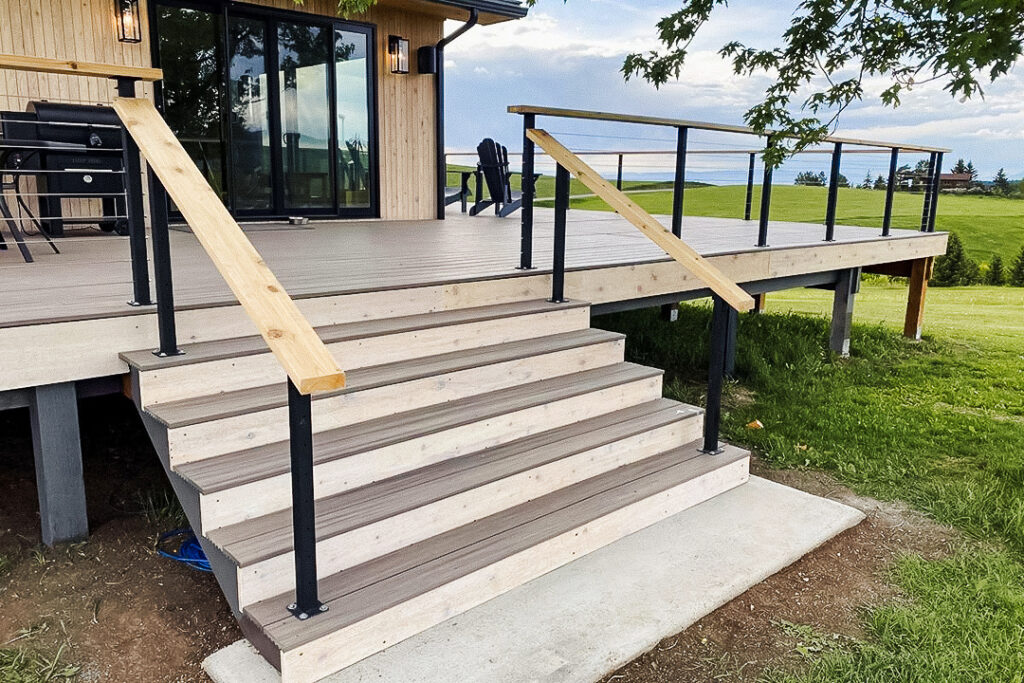
A Forest Stewardship Council (FSC) logo guarantees that your lumber was sourced with forest conservation in mind. An “FSC 100%” label means the product is made from virgin materials from an FSC-certified forest. A “FSC Mix” label means the product is a blend of recycled materials and virgin materials.
www.buildinggreen.com/infographic/what-these-forestry-labels-really-mean
Post-consumer recycled plastics are another decking material option. A report from the Health Building Network recommends you use plastic lumber made from high-density and low-density polyethylene (HDPE and LDPE), high recycled content, and resins sourced from local recycling programs.
2. Plant native perennials, wildflowers, shrubs, and trees.
By planting native flora you can support the local ecosystem.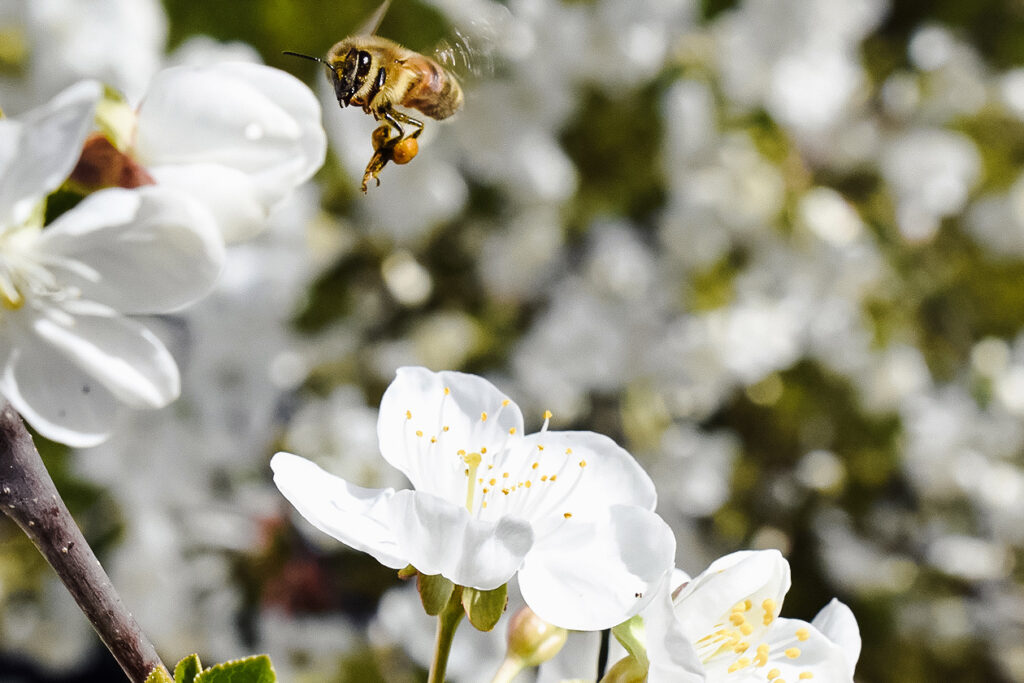
You may not think of your own backyard as part of an ecosystem. But it is home to trees, plants, dirt, animals and insects — and, of course, you. Humans have lost 150 million acres of habitat to urbanization in the continental U.S., the Audubon Society notes. The choices that we make in our own backyards matter, which is why you should consider planting native perennials and wildflowers in your zero-waste backyard.
“A plant is considered native if it has occurred naturally in a particular region, ecosystem, or habitat without human interaction,” according to the National Wildlife Federation. The native plants in your region supported flora and fauna that lived there before and still do now.
Exotic species are the opposite of native species. Exotic species, which originate in other regions and ecosystems, may be sold at nurseries or available online. These plants can replace food that insects and animals rely upon, including pollinators such as bees. Alien species can even overtake native species in growth.
If you live in the U.S., you can search native species to your area on the Audubon Society website. It will even tell you what birds your new shrubs may attract! www.audubon.org
3. Make your own mulch.
A layer of mulch is like a protective covering to keep the soil nutritious and robust.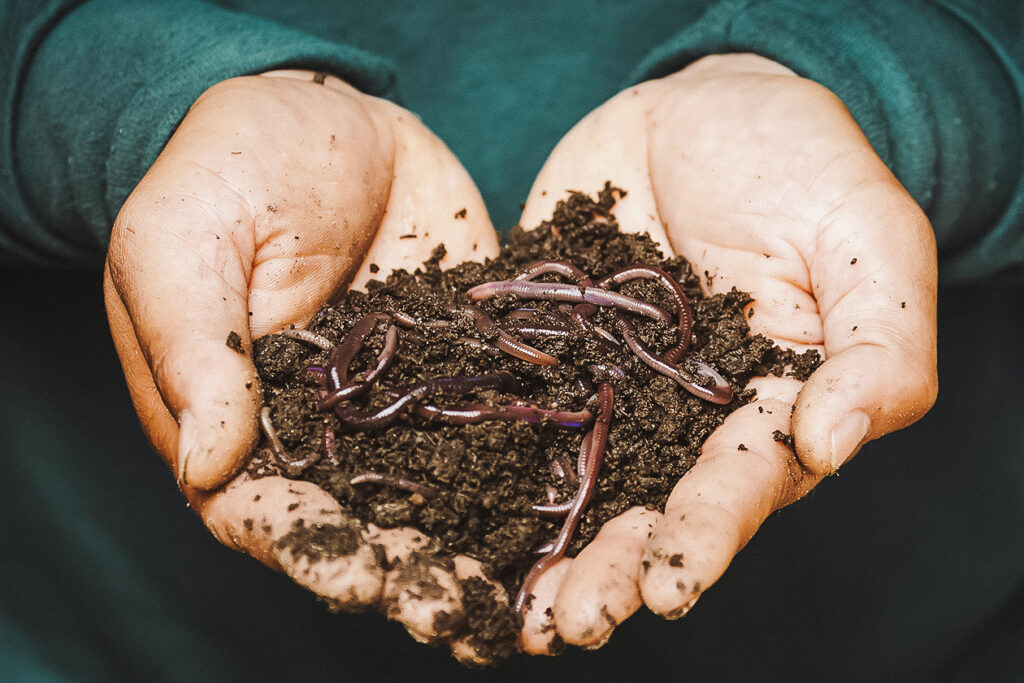
Not many things in life can be had for free — but one thing that is, is mulch. Mulch is the organic material that is laid atop the soil. Nutritious soil keeps plants healthy, retains moisture and reduces weed growth.
Home improvement expert Bob Vila explains that organic mulch can be composed of shredded leaves, cut grass, twigs, and wood chips from branches. You can create your own organic mulch pile anywhere in your zero-waste backyard and add materials to it yourself after yard work.
When applying mulch to your garden, make the layer 2 to 4 inches thick. Organic mulch can take anywhere from a few months to a few years to fully decompose, depending on the material. Once you apply organic mulch to your garden beds, you can let it be.
You might be wondering if compost is the same thing as organic mulch. The answer is no: Compost is mixed with soil, while mulch is layered atop the soil. Fruit and vegetable scraps, nutshells, and coffee grounds can all be composted.
The Environmental Protection Agency explains how to compost from home, either outdoors or indoors, with a worm composting bin. www.epa.gov/recycle/composting-home
4. Keep weeds under control naturally.
Natural weed control helps to preserve biodiversity.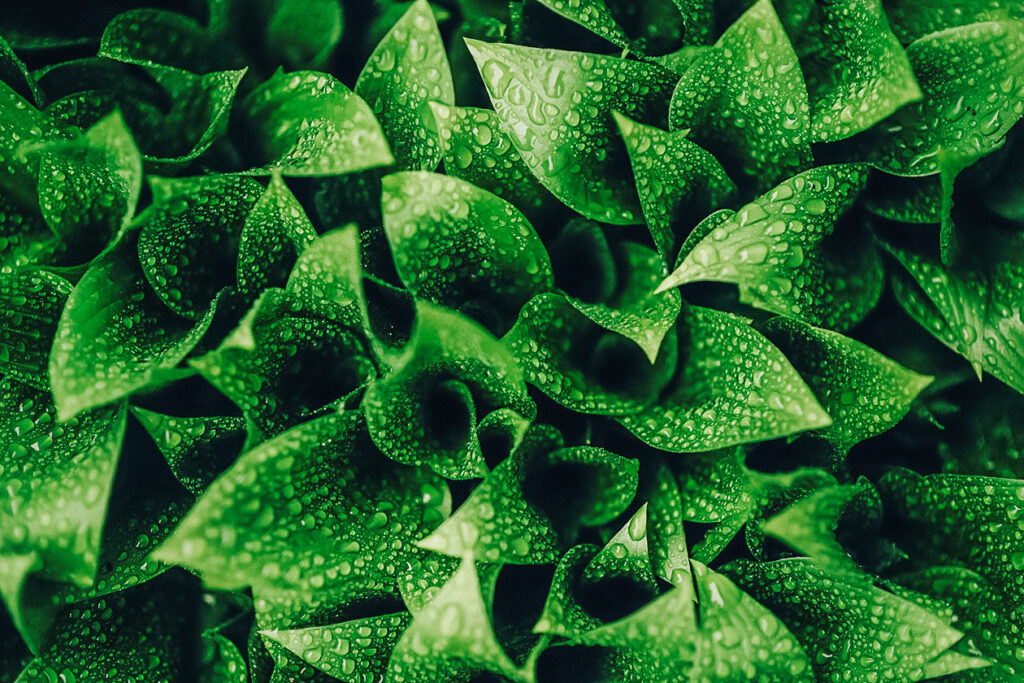
Plants For A Future ( pfaf.org ), a charity dedicated to sustainable horticulture, recommends ground cover plants to prevent weeds from germinating and existing weeds from growing into your garden. Ground cover plants can include perennials like hostas and edible plants like thyme, garlic cress and oregano. www.almanac.com/plant/hostas
Another option for natural weed control is corn gluten meal. According to the sustainable living site Eartheasy, corn gluten meal is a byproduct of the corn milling process that is fed to pigs. But it may also prevent the roots of weeds from taking hold. You can use it to prevent weeds in your garden without killing existing ones. eartheasy.com/
Celebrate the planet Earth this week.
Behold the wonder of it all, and enjoy living outside.
(Partially reprinted from : www.livekindly.colivekindly.co)
Comments
Post a Comment